THERE IS A LOT IN THIS INTERVIEW AND PAGES OF POSTS CAN BE WRITTEN ON ALMOST EVERYTHING POPE FRANCIS SAYS. READ THE FULL INTERVIEW HERE, BUT AS FOR TC, READ BELOW my comments. He speaks, though, of priests who want to celebrate the Tridentine Mass as being bi-ritual and needing Vatican approval just as any priest who would want to celebrate a legitimate rite of the Church that is not the one to which he belongs, thus becoming bi-ritual or tri-ritual.
I hate to say this, but every time I read something Pope Francis has written or spoken, off-the-cuff, I scratch my head because his thinking is so convoluted. His answer to the question about the Tridentine Mass is precisely that. It seems he is more open to allowing certain situations to continue while claiming, falsely I believe, that younger priests are wanting to celebrate this Mass for nostalgia. Maybe they want to celebrate it because it makes them feel more priestly is my thought.
There are problems too with the Ordinary Form Mass and its deformations and the nostalgia that so many bishops and priests have for the 1970's as it concerns the "new" Mass. That's a bigger problem in my humble mind.
It seems that at the end of the answer on the Tridentine Mass, the pope either did not complete his statement or Vatican News did not print it.
But here are the questions and answers posed to Pope Francis from a more expansive interview which you can read HERE.
Interviewer: I don’t know if Pope Francis is a man who likes to bang his fist on the table. Would it be possible that the last blow on the table has been the pontifical document limiting the celebration of the ‘Tridentine Masses’? And I also ask you to explain to my audience what the ‘Tridentine Mass’ is, what is it about the Tridentine Mass that is not mandatory.
I’m not one to bang on the table, I don’t get it. I’m rather shy. The history of Traditionis custodes is long. When first St. John Paul II—and later Benedict, more clearly with Summorum Pontificum—, gave this possibility of celebrating with the Missal of John XXIII (prior to that of Paul VI, which is post-conciliar) for those who did not feel good with the current liturgy, who had a certain nostalgia... it seemed to me one of the most beautiful and human pastoral things of Benedict XVI, who is a man of exquisite humanity. And so it began. That was the reason.
After three years he said that an evaluation had to be made. An evaluation was made, and it seemed that everything was going well. And it was fine. Ten years passed from that evaluation to the present (that is, thirteen years since the promulgation [of Summorum Pontificum]) and last year we saw with those responsible for Worship and for the Doctrine of the Faith that it was appropriate to make another evaluation of all the bishops of the world. And it was done. It lasted the whole year.
Then the subject was studied and based on that, the concern that appeared the most was that something that was done to help pastorally those who have lived a previous experience was being transformed into ideology. That is, from a pastoral thing to ideology. So, we had to react with clear norms. Clear norms that put a limit to those who had not lived that experience. Because it seemed to be fashionable in some places that young priests would say, “Oh, no, I want...” and maybe they don’t know Latin, they don’t know what it means.
And on the other hand, to support and consolidate Summorum Pontificum. I did more or less the outline, I had it studied and I worked, and I worked a lot, with traditionalist people of good sense. And the result was that pastoral care that must be taken, with some good limits. For example, that the proclamation of the Word be in a language that everyone understands; otherwise it would be like laughing at the Word of God. Little things. But yes, the limit is very clear.
After this motu proprio, a priest who wants to celebrate that is not in the same condition as before—that it was for nostalgia, for desire, &c.— and so he has to ask permission from Rome. A kind of permission for bi-ritualism, which is given only by Rome. [Like] a priest who celebrates in the Eastern Rite and the Latin Rite, he is bi-ritual but with the permission of Rome. That is to say, until today, the previous ones continue but a little bit organized. Moreover, asking that there be a priest who is in charge not only of the liturgy but also of the spiritual life of that community. If you read the letter well and read the Decree well, you will see that it is simply a constructive reordering, with pastoral care and avoiding an excess by those who are not...
Does His Holiness have sleepless nights due to the synodal path that the German Catholic Church has begun?
About that, I allowed myself to send a letter. A letter that I wrote myself in Spanish. It took me a month to do that, between praying and thinking. And I sent it at the right time: the original in Spanish and a translation in German. And there I express everything I feel about the German synod. It is all there.
The German synod’s protest is not a new one... History repeats itself...
Yes, but I wouldn’t get too tragic either. There is no ill will in many bishops with whom I spoke. It is a pastoral desire, but one that perhaps does not take into account some things that I explain in the letter that need to be taken into account.
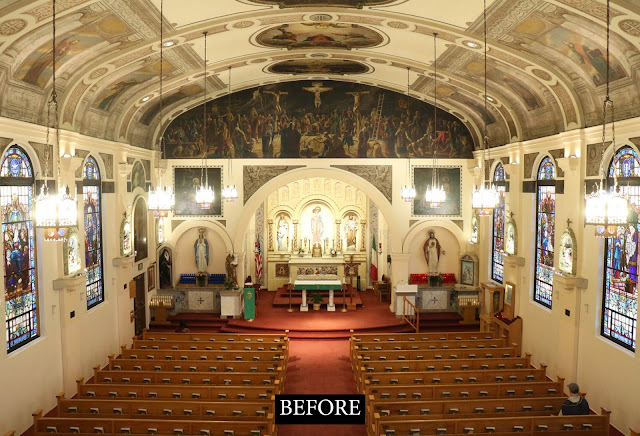


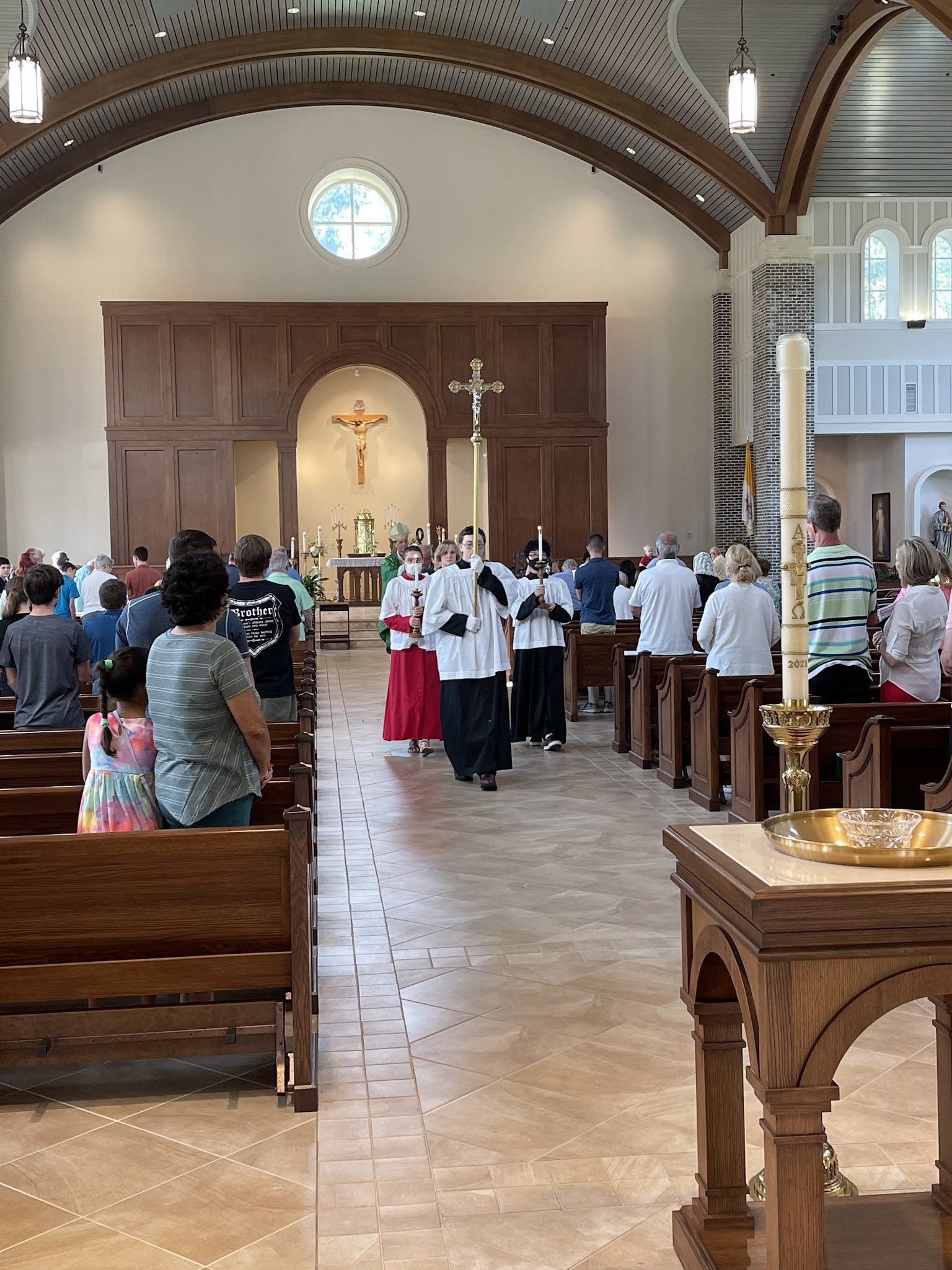


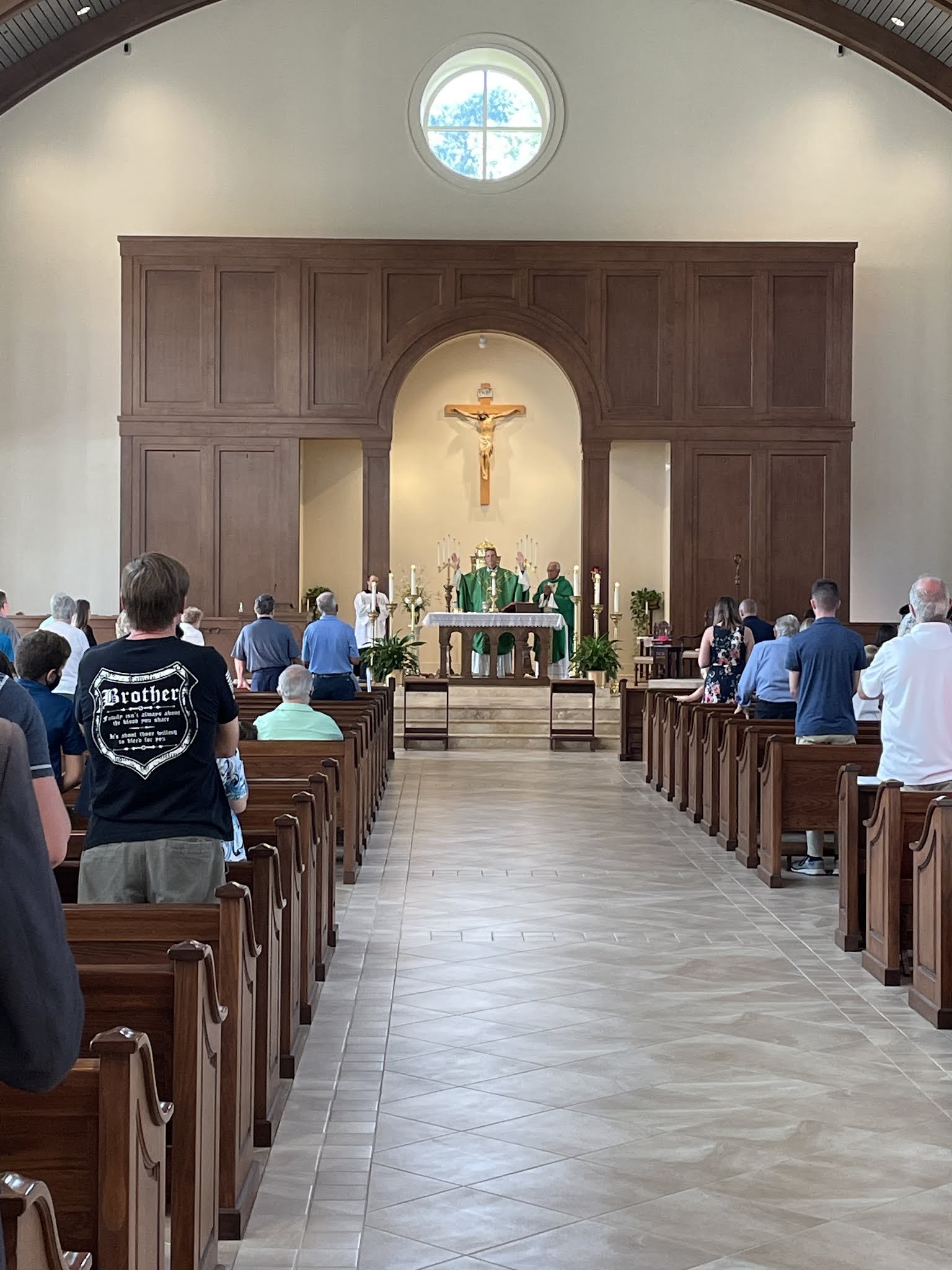


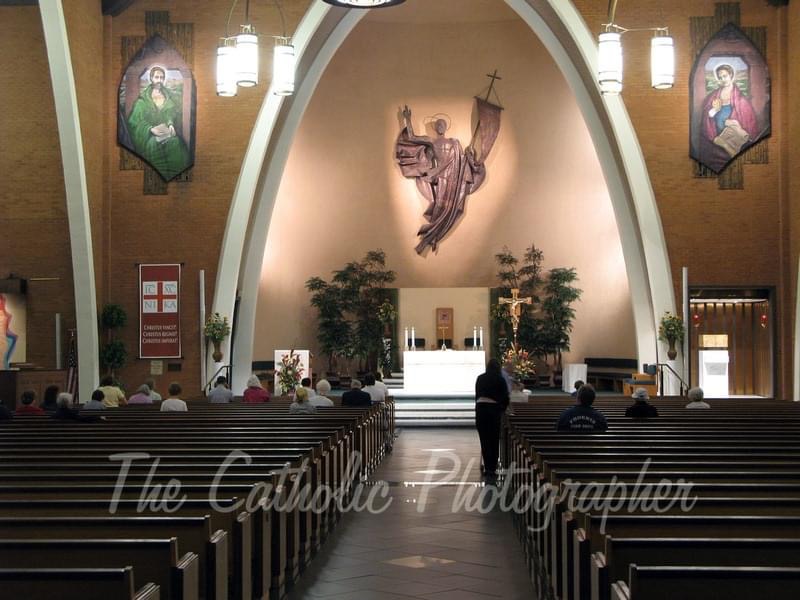

Likewise there is no basis in Vatican II for the complete elimination of Latin, the elimination of Gregorian chant, Mass versus populum, new Eucharistic prayers, a completely new missal, extraordinary ministers of Communion, Communion in the hand, Communion while standing, etc., etc.
The growing interest in the ancient form of the Mass is a result of the excesses and rigidity of the advocates of the liturgical reform. If a fully traditional form of the new Mass had been allowed to exist side-by-side with the present more radical form, there would not have been this renewed interest. Even now if the advocates for liturgical reform would accept the fullness of the Missal of 1970 and its allowance for a traditional form there would be less interest in the old Mass. Pope Francis said that the tradition is accessible in the present missal. In theory yes; in practice no. It is not enough to complain about the continued celebration of the ancient form of the Mass. Accept the true liturgical reform that can accommodate the liturgical tradition with the new missal