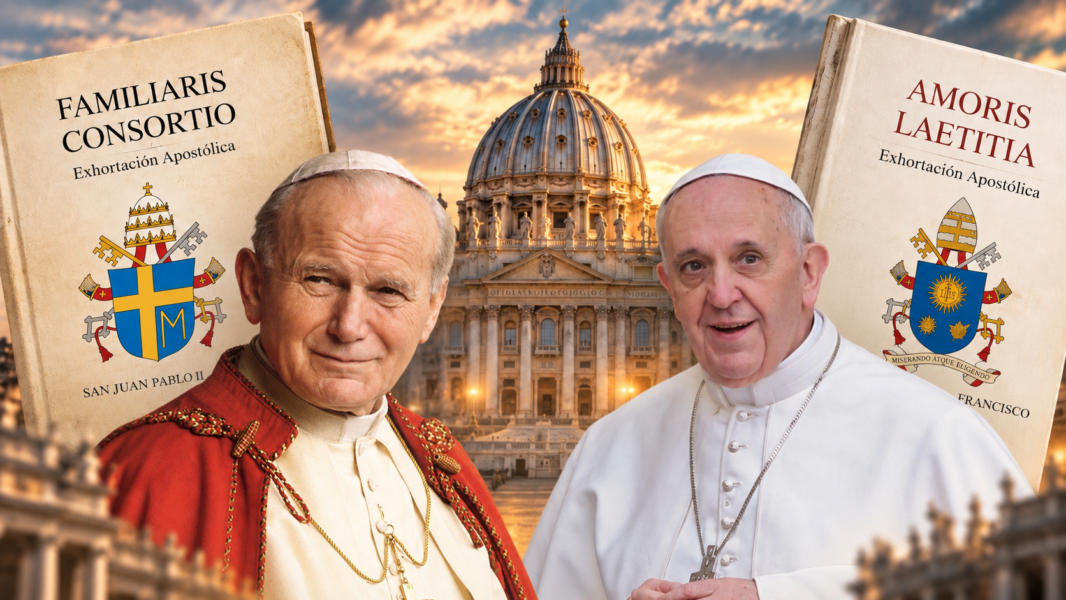
Mike Lewis of the Blog Where Peter Is, aka, Where Francis Was, was gloating on another thread about how Pope Leo XIV is Pope Francis II. He mentions that Pope Leo is continuing all of Pope Francis’ initiatives when it comes to Fiducia Supplicans, Traditionis Custodis and of course, Amoris Laetitia. But in fact, unlike Pope Francis, Pope Leo does not want to denigrate or cancel any of his previoius professors, like Pope Francis canceled a significant part of Pope Benedict’s liturgical magisterium and many aspects of St. John Paul II’s teachings. What Pope Leo is doing, which Mike Lewis does not understand, is that he is clarifying and purifying those teachings of Pope Francis which were seen as denigrating his immediate predecessors. And Pope Leo has certainly reversed many policies of Pope Francis as it concerns the Diocese of Rome.
At any rate, this Italian blog says it straightforwardly, Pope Leo has undermined Pope Francis’ version of synodality. Do you agree?
This is a google translation of an Italian Blog called Settimana which you can read in Italian Here:
Sinodalità mortificata
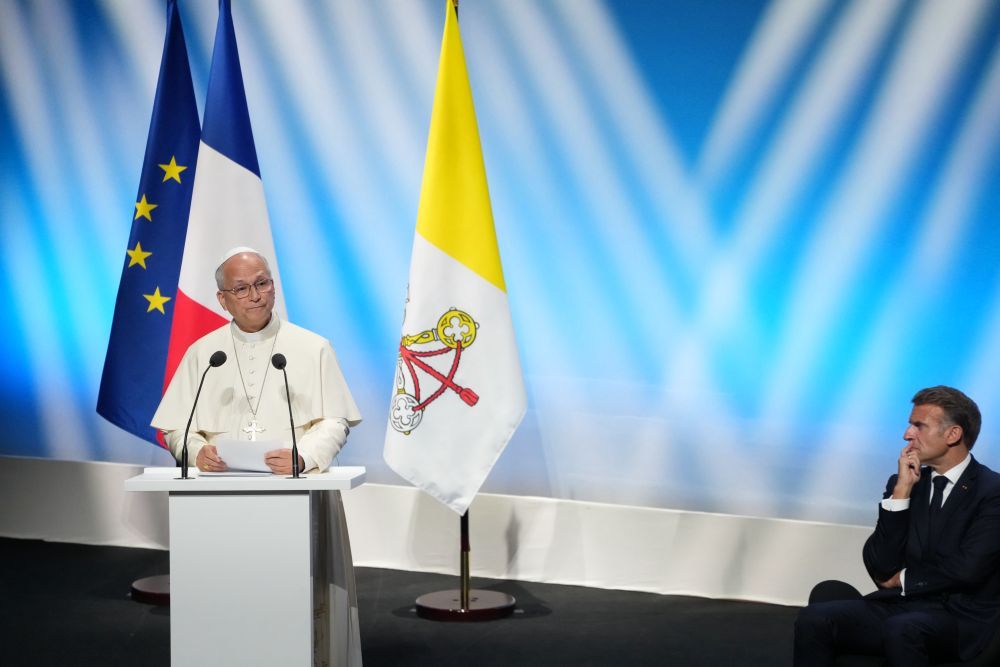
When Pope Leo convened the world’s bishops last March for a "summit on the family," I said to myself: "This will be the litmus test to see whether or not there is a genuine intention to take seriously the efforts of those millions of the faithful who—across the globe and throughout the 2023–2024 Synodal Journey—have repeatedly gathered at local, national, and continental levels to develop the concept of synodality and promote its consistent practice within the Church."
Now that the moment of truth has arrived, it must be said that the synodality so deeply desired, sought after, and proclaimed essential has, in this initial test, been undermined.
It is disheartening that this so often happens in the Church: proposals are made, discussions held, and declarations issued, yet nothing actually comes of them.
Making the family the focus of a major ecclesial gathering offered an ideal opportunity to put synodal practice to the test—perhaps the best opportunity imaginable. After all, if there is one aspect of Christian life that is—by virtue of their vow of celibacy—systematically absent from the bishops' own lived experience, it is family life: the dynamics of the marital relationship and the commitment involved in raising children.
The fact remains that bishops, priests, friars, and nuns do not, in the ordinary course of events, experience the process of seeking a partner with the aim of marriage, or grappling with the difficult discernment of that decision. They do not face the complex undertaking of merging every aspect of their existence—even the most intimate—with another person, nor do they experience the joys, the struggles, and often the crises that accompany raising children, and so forth. Only by living through these experiences does one become enriched with the charisms of married and family life that the Spirit bestows upon the faithful whom He calls to live them out. It is only through lived experience that the charisms the Spirit grants the faithful—enabling them to face life’s concrete challenges in His light—become manifest.
The meeting scheduled for October 7, 2026, involves the participation of approximately 248 people; among them, the number of married lay faithful is projected to be a very modest 11 couples—that is, 22 individuals.
I consider the appeal addressed to the Pope by *Catholic Church Reform International*—an international network of Catholic organizations and individuals committed to Church reform—to be reasonable and entirely consistent with the arduous synodal journey undertaken thus far: "In a synod on the family, families must have the right to a deliberative vote. There is no synodality if bishops gather without the people. Families must be present and have a say in discussions regarding family pastoral care."
One had therefore expected to see the reappearance—in the Paul VI Hall—of those round tables to which we have become accustomed, in sufficient numbers to accommodate, alongside the bishops, at least an equal number of married lay faithful, a certain number of engaged couples, and a significant presence of divorced persons; after all, the Synod is gathering to discern the "steps to be taken today to proclaim the Gospel to families." Between now and October 14, it is still possible to rectify the situation, should there be the will to do so. One need only look to the model of the most recent Synod of Bishops, in which 96 of the 368 voting members were not bishops. The aim is not to replace the episcopal magisterium—founded on the sacrament—with undifferentiated assemblies, but rather to define the spheres in which its authority is exercised. If the Spirit of the Lord willed the existence of a ministry endowed with authority, it was to ensure the Church’s faithful preservation of the Apostles’ authentic preaching and to safeguard the unity of the Church that directly flows from it.
This makes it both possible and appropriate to adopt a synodal practice in which the faithful—endowed with charisms relevant to the specific matter at hand—play a decisive role, while ordained ministers serve as guarantors of the faith’s authenticity, safeguarding community communion amidst the plurality of emerging views.