This is the last part of a much too long article I read in
Crisis Magazine online. It is written by Aaron Seng. You can read to full, too long article
HERE.
This is the last part of Aaron Seng’s much too long article:
Is the pope obliged to faithfully maintain the Church’s traditional liturgical rites?
Yes. The early medieval Papal Oath affirms: “I promise to keep inviolate the discipline and the liturgy of the Church as I have found them and as they were transmitted by my holy Predecessors,” and the Papal Oath decreed by the Council of Constance echoes: “I will follow and observe in every way the rite handed down of the ecclesiastical sacraments of the Catholic Church.”
Can a pope abrogate a liturgical rite of immemorial custom in the Church?
No. Just as a pope cannot forbid or abrogate the Apostles’ Creed or Nicene-Constantinopolitan Creed or substitute a new formula for them, neither can he abrogate traditional, millennium-old rites of Mass and the sacraments or forbid their use. This applies as much to Eastern as to Western rites.
Could the traditional Roman Rite ever be legitimately forbidden for the entire Church?
No. It rests upon divine, apostolic, and ancient pontifical usage, and bears the canonical force of immemorial custom; it can never be abrogated or forbidden.
Must we comply with the prohibition of traditional Catholic liturgical rites?
No. “What earlier generations held as sacred, remains sacred and great for us too, and it cannot be all of a sudden entirely forbidden or even considered harmful. It behooves all of us to preserve the riches which have developed in the Church’s faith and prayer, and to give them their proper place.” The rites of venerable antiquity form a sacred and constitutive part of the common patrimony of the Church, and not even the highest ecclesiastical authority has power to proscribe them.
Is any act of disobedience to a command of the pope by itself schismatic?
No. One is not schismatic if he resists a pope or refuses to obey a particular teaching or command of his that is manifestly contrary to natural or divine law, or that would harm or undermine the integrity of the Catholic Faith or the sacredness of the liturgy. In such cases, disobedience and resistance to the pope is permissible and sometimes obligatory.
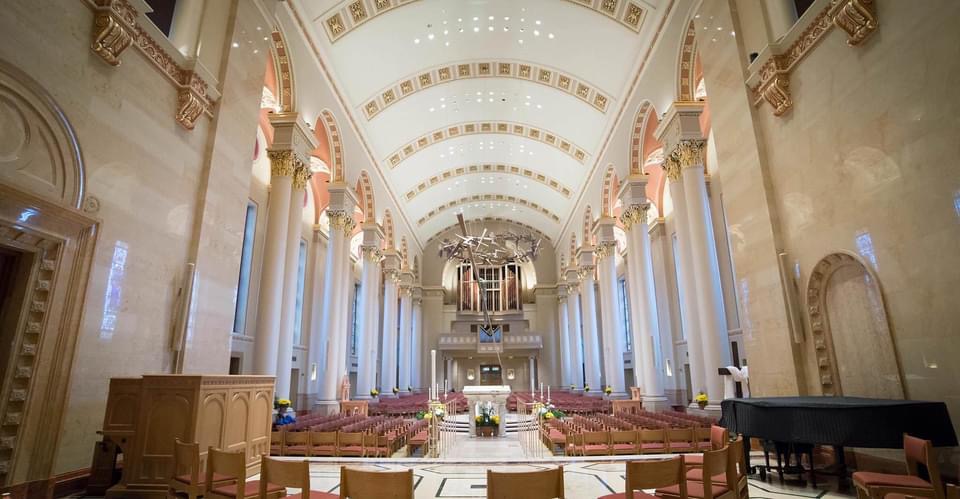
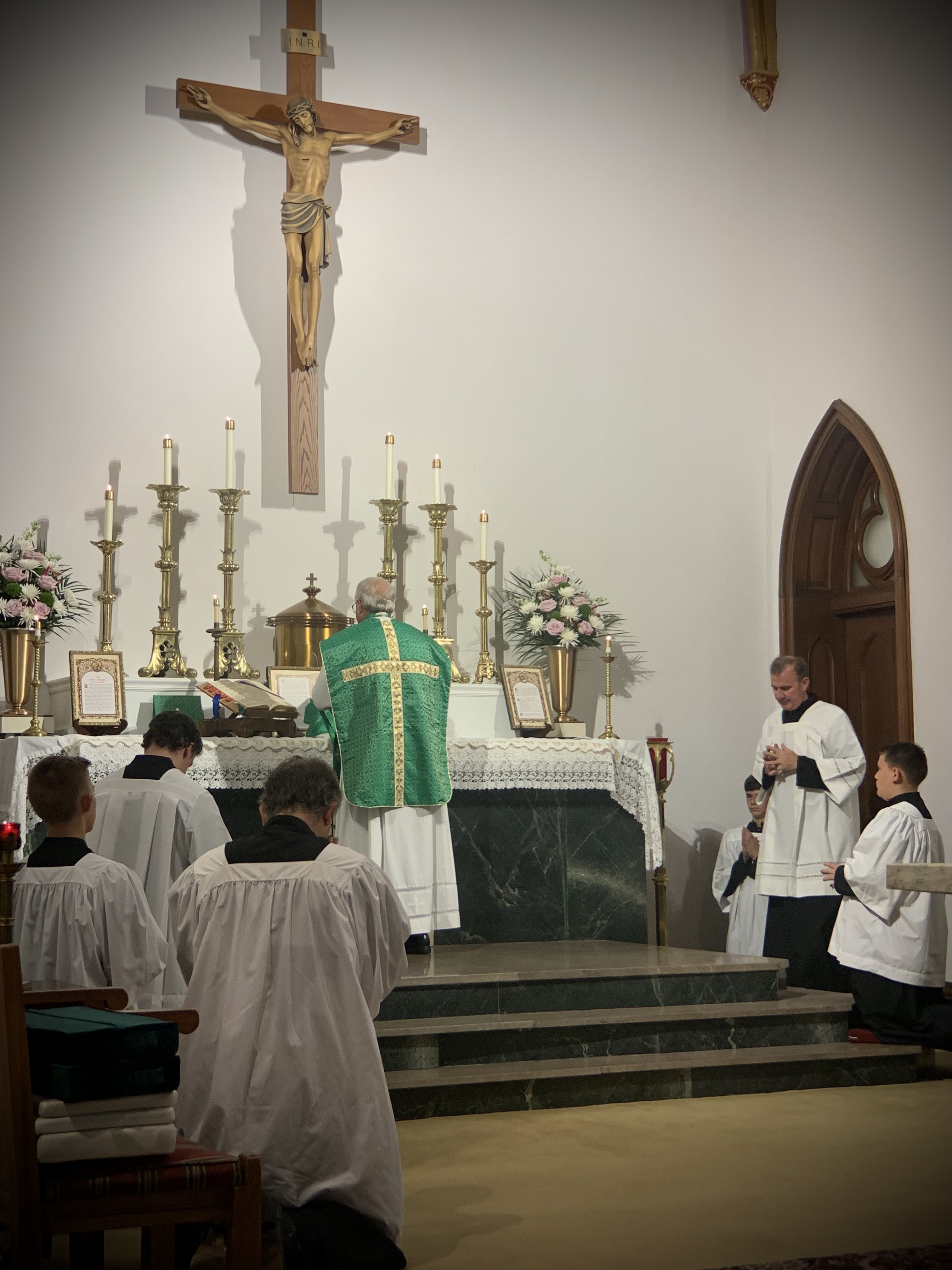
For decades, Catholic and non-Catholics alike have been confused by a strange and imposed sense of “forbidding” made to surround the traditional Roman Rite—the same rite once universally treasured as most holy, most praiseworthy, most worthy of devotion; the love of countless saints and mystics, “the most beautiful thing this side of Heaven.”
Thankfully, if a Catholic should ever need to defend his sacred heritage from misguided attempts to suppress it in the future, he now has a reliable Catholic catechism to reference for support.
My astute commentary: I do think that the Supreme Pontiff of the Catholic Church has no authority to change defined doctrine and dogmas nor does an Ecumenical Council in union with the pope. As St. Pope John Paul II taught in a definitive way by saying the pope has no authority to ordain women as men only are validly ordained to Sacred Orders and is to be definitively held as a part of the Ordinary Magisterium of the Church, so too, no pope can change the Apostles Creed. No Pope can change the Nicene Creed. Future creeds build upon each creed but no creed is ever suppressed or forbidden to be prayed if the Church has approved it in Council
The same would be true of the form of the Liturgy of the Council of Trent. Even at Trent, it was declared that certain forms of the liturgy prior to that Council with a certain number of years behind it could not be suppressed.
Thus I do tend to believe that the previous liturgy of the Church which in fact predates even the Council of Trent, which simply codified it and made it universal for the Latin Rite, cannot be suppressed.
One might argue though, that the intent of the Liturgy of the Church, meaning its doctrine and dogmas were not changed in the new form after Vatican II, just the form and canonical order were changed and new prayers added.
I am not calling into question Vatican II’s reforms, but can a pope declare the liturgical tradition before the Second Vatican Council or any council no longer allowed? I would tend to believe that if one says yes, then any pope could suppress the Apostles Creed or the Nicene Creed and replace it with others more developed or less developed.