And the new theologian of the Pontifical Household agreed with Pope Benedict XVI, that Vatican II must be interpreted within the context of all that preceded the Council.
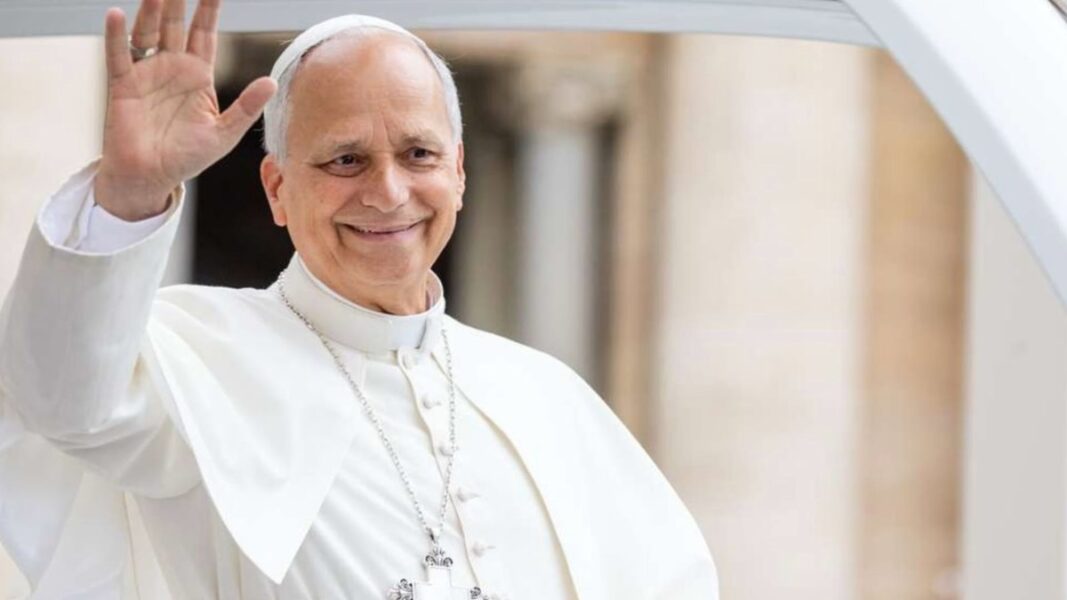
Pope Leo XIV chooses a Thomist critical of Amoris laetitia as his theologian
The Dominican Serge-Thomas Bonino, the new theologian of the Pontifical Household, objected in 2016 to the use of Saint Thomas in Amoris laetitia and defends Vatican II.
This is an AI Summary of Father Bonino’s agreement with Pope Benedict XVI in terms of “Reform in continuity” and it is good news, praise God:
Dominican theologian Fr. Serge-Thomas Bonino, O.P.—president of the Pontifical Academy of St. Thomas Aquinas, former Secretary General of the International Theological Commission, and Theologian of the Papal Household—strongly affirms Pope Benedict XVI’s "hermeneutic of reform" in continuity, framing it through the lens of traditional Thomistic theology and the renewal of Catholic doctrine.
Bonino’s theological approach aligns with and expands upon Benedict XVI’s famous December 22, 2005 address to the Roman Curia in several key ways:
1. Rejection of "Spirit vs. Letter"
- Critique of rupture. Like Benedict XVI, Bonino opposes interpretations that pit the "spirit" of Vatican II against its actual "letter" (the written conciliar texts). He argues that treating Vatican II as a radical break invalidates the pre-conciliar tradition and leads to doctrinal relativism.
- Parallel in Thomism. Bonino frequently draws a parallel between how Vatican II was received and how St. Thomas Aquinas has been interpreted in modern theology. He warns against the "demonization of the commentators"—the tendency to dismiss centuries of scholastic and magisterial development that occurred between Aquinas and the 20th century as a distortion of the original sources.
2. True Ressourcement Includes the Whole Tradition
- Beyond theological "archaeologism." Bonino supports the 20th-century ressourcement (return to the sources) movement, which deeply shaped both Vatican II and Joseph Ratzinger. However, Bonino stresses that returning to Scripture and the Church Fathers cannot mean skipping over the Middle Ages, the Council of Trent, or Vatican I.
- Organic development. Following Benedict XVI’s model of "innovation in continuity", Bonino views Catholic Tradition as a living, organic whole. Pre-conciliar theology—especially Thomism—provides the necessary metaphysical and conceptual tools to properly understand what Vatican II taught without falling into contradiction.
3. Faith and Reason in Harmony
- Epistemological continuity. A central pillar of Bonino’s agreement with Benedict XVI is the defense of the harmony between faith and reason. Both theologians emphasize that truth is objective and enduring, even as the Church’s historical circumstances and pastoral expressions evolve.
- Magisterial coherence. Bonino maintains that Vatican II did not invent a "new Church" or discard past dogmas. Instead, it applied unchanging doctrinal principles to modern questions—such as religious liberty and engagement with the contemporary world—requiring careful theological synthesis rather than a rupture with the past.

No comments:
Post a Comment